Adv. Cardiology 2024
Peers Alley Media,Canada


Primary goal of attending an international conference is to present a paper to the experts and influencers. It gives you a platform to exchange your interest-related thoughts, paving the way for possible future collaborations.
Use this platform to build connections with an elite group of wise men and women to enhance your intellect. Young entrepreneurs, this is a great platform to connect with your peers.
Knowledge is Power. Knowledge teaches skills. Skills define excellence. Use this platform to become cognizant of your interest area to achieve excellence in your domain.
Attending a conference give you opportunity to get your abstract or paper published in conference proceedings
Meet and greet a myriad of industry professionals and academia experts with common interest. Every meal will be an opportunity to meet and interact with fellow researchers, attendees and experts.
Expand your professional competency and learn useful tips and tricks of your industry in our skill-building workshops.
Explore insights on recent advancements, new equipment, new techniques, and unpublished data, learn from thought-leaders and get to network with a great line up of speakers.
Our exhibits floor offers the attendees with a dynamic display of the latest products with cutting-edge technology.
Investing in you is the best investment. Peers Alley conferences give the patrons with a feeling of the serendipity of real learning, skill development in strategic workshops, networking and start-up opportunities, thus, is value for money.
Attending the conference gives you much needed break from your regular duties. It also allows you to explore new cities, culture and meet new people. You will feel energized and rejuvenated to return to the university and continue with the job after attending the conference.
Conferences are vital forum for academic researchers and business leaders. "It involves multiple presentations, interactive breakout sessions, hands-on product demonstrations and unrivalled networking opportunities".
We have invited some of the world's most sought-after keynote speakers, experts, brand ambassadors, and industry leaders to share their thoughts and ideas with our conference guests.
Register Now
The rising prevalence of chronic diseases, including cancer, autoimmune disorders, and infectious diseases, underscores the urgent need for advanced immunotherapies and targeted biologics. In 2026, the global immunology market is estimated to exceed USD 103 billion, and it is projected to grow to USD 257.39 billion by 2032, representing a compound annual growth rate (CAGR) of 12.1% over the forecast period. North America continues to dominate the market, holding over 55% of the global share.
The Adv. Immunology 2027 congress serves as a pivotal platform to propel medical science forward and enhance public health by fostering innovations in immunotherapy, advancing diagnostic technologies, promoting disease prevention strategies, and deepening our understanding of the immune system. By bringing together leading researchers, clinicians, and industry experts, the congress aims to improve patient outcomes and contribute to a healthier, more resilient population.
Theme: Redefining Immunity: Cellular Therapies and Next-Generation Vaccines for a Healthier World.
Sub-themes:
--------------------------------------------------------------------------
Adv. Immunology Proceedings


Dear Esteemed Colleagues and Peers,
Welcome to the 5th Euro-Global Summit on Advances in Clinical and Cellular Immunology, taking place on October 18–19, 2027, in Budapest, Hungary!
TO read more, please click here

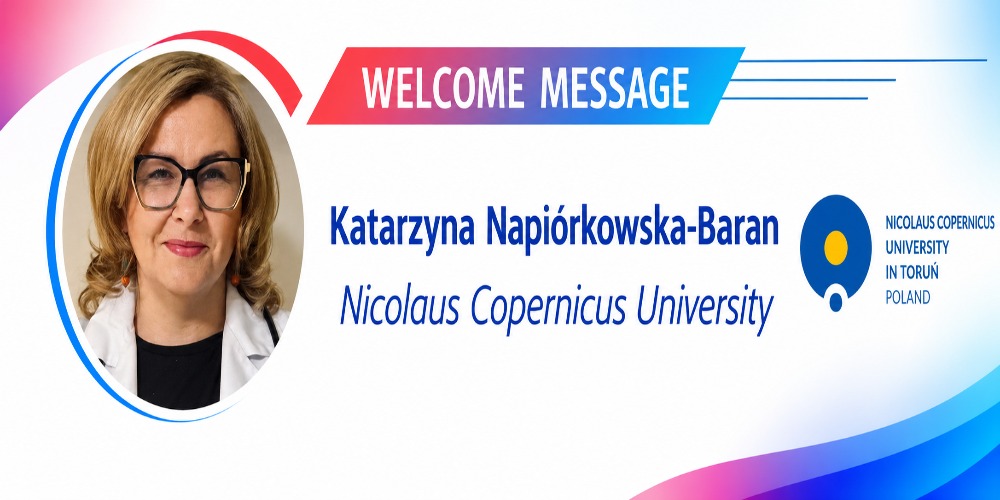
Dear Colleagues, Researchers, and Friends,
It is my great pleasure to warmly invite you to the 5th Euro-Global Summit on Advances in Clinical and Cellular Immunology, which will take place on October 18-19, 2027, in the beautiful city of Budapest, Hungary.
Having had the privilege of participating in the previous edition of this conference in Amsterdam, both as a speaker and a session chair, I truly appreciate the value of bringing together scientists, clinicians, and experts from around the world to exchange knowledge, share experiences, and explore new perspectives in immunology
TO read more,please click here

Dear Esteemed Colleagues and Peers,
It is my great pleasure to invite you to the 5th Euro-Global Summit on Advances in Clinical and Cellular Immunology, to be held on 18–19 October 2027 in Budapest, Hungary. Immunology continues to advance rapidly, providing new opportunities to better understand immune responses and translate scientific knowledge into innovative approaches for the prevention and control of infectious diseases.
TO read more, please click here


Nova Southeastern University, USA

Cullinan Therapeutics, Inc., USA
Nicolaus Copernicus University, Poland
CellPrint Biotechnology, USA

Peers Alley Media,Canada
Peers Alley Media,Canada
Peers Alley Media,Canada
Peers Alley Media,Canada

Peers Alley Media,Canada
Peers Alley Media,Canada
Peers Alley Media,Canada
Peers Alley Media,Canada
Peers Alley Media,Canada

Peers Alley Media,Canada
Peers Alley Media,Canada
,Canada
Autoimmunity is a condition in which the immune system becomes confused and reacts against the body’s own cells and tissues. Instead of targeting harmful pathogens, the immune system produces responses that damage healthy organs. This can result in a wide range of autoimmune disorders, each affecting different parts of the body. Examples include rheumatoid arthritis, lupus, type 1 diabetes, multiple sclerosis, Hashimoto’s disease, and inflammatory bowel diseases such as Crohn’s disease.
The causes of autoimmunity are complex and not yet fully understood. Current research suggests that several elements may work together, including genetic factors, environmental triggers, and hormonal influences. In some individuals, events such as infections, exposure to chemicals, certain medications, or physical or emotional stress may initiate or worsen autoimmune reactions.
While autoimmune diseases cannot be completely cured, many treatments are available to help control the immune response, ease symptoms, and prevent long-term complications. Management options often include immune-modulating or immune-suppressing medications, biologic therapies, anti-inflammatory drugs, and corticosteroids. Alongside medical treatments, healthy lifestyle practices—such as nutritious eating, regular activity, adequate rest, and stress reduction—can support overall well-being and symptom control.
Scientists continue to investigate how autoimmune diseases begin and progress, with the goal of developing more precise therapies and better preventive approaches in the future.
Market Analysis: The Autoimmune Disease Diagnostics Market is projected to be valued around $6.2 Billion in 2025, with an expected rise to approximately $11 Billion by 2034, growing at a CAGR of about $6.6\%$; this growth is primarily driven by the increasing prevalence of autoimmune disorders globally and technological advancements in diagnostic tools like assay kits and automated platforms, although the market is somewhat restrained by the high cost and complexity of advanced testing and a lack of standardized criteria in some regions.
Tags
Immune System Conferences
Advanced Immunology Conferences 2027
Immunology Conferences 2027 Asia
Immunotoxicology Conferences
Autoimmunity Conferences
Immunology Conferences 2027 Europe
Tumor Immunology Conferences
Immunology Conferences 2027 USA
The immune system is a complex network of cells, tissues, and organs that work together to protect the body from harmful pathogens such as bacteria, viruses, and fungi. The immune system has two main mechanisms: the innate immune system and the adaptive immune system.
Innate Immune System: The innate immune system is the body's first line of defense against invading pathogens. It includes physical barriers such as skin and mucous membranes, as well as cellular components such as neutrophils, macrophages, and natural killer cells. These cells can recognize and destroy pathogens through a variety of mechanisms, such as phagocytosis and the release of antimicrobial chemicals.
Adaptive Immune System: The adaptive immune system is a more specialized and specific defense mechanism. It involves the production of antibodies and the activation of T cells and B cells, which are highly specific to particular pathogens. When a pathogen enters the body, specialized cells in the immune system, called antigen-presenting cells, present parts of the pathogen to T cells and B cells. This triggers the production of antibodies that specifically target the invading pathogen. The adaptive immune system also has memory, allowing the body to recognize and mount a more rapid and effective response to previously encountered pathogens.
Both the innate and adaptive immune systems work together to protect the body from harmful pathogens. When the immune system fails to function properly, it can result in immune system disorders such as autoimmune diseases, immunodeficiencies, and allergies.
Market Analysis: The global market for Autoimmune Disease Therapeutics (treatment) was estimated to be significantly larger in 2024, valued between approximately USD 76 Billion and USD 124 Billion, while the **Autoimmune Disease Diagnostics market was valued between approximately USD 5.7 Billion and USD 6.17 Billion in the same year, both showing strong growth potential.
Tags
Immunology Conferences
Advanced Immunology Conferences 2027
Immunotoxicology Conferences
Immunotherapy Conferences
Immunology Conferences 2027 USA
Neuroimmunology Conferences
Vaccines and Immunotherapy Conferences
Autoimmunity Conferences
Immunology Conferences 2027 Europe
Immunology Conferences 2027 Asia
Tumor Immunology Conferences
Cancer immunology is the study of the immune system's response to cancer. It seeks to understand how cancer cells evade the immune system, how the immune system can be activated to recognize and attack cancer cells, and how the immune system can be harnessed to develop effective cancer treatments.
Immunotherapy is a type of cancer treatment that uses the body's own immune system to fight cancer. There are several different types of immunotherapy, including checkpoint inhibitors, CAR-T cell therapy, and cancer vaccines.
Checkpoint inhibitors work by blocking the signals that cancer cells use to evade detection by the immune system, allowing the immune system to recognize and attack cancer cells.
CAR-T cell therapy involves genetically modifying a patient's own T cells to recognize and attack cancer cells. The modified T cells are then reinfused into the patient, where they can target and destroy cancer cells.
Cancer vaccines work by stimulating the immune system to recognize and attack cancer cells. Some cancer vaccines contain cancer-specific antigens that can be recognized by the immune system, while others work by stimulating the immune system in more general ways.
Immunotherapy has shown promise in the treatment of many different types of cancer, including melanoma, lung cancer, and leukemia. However, it is not effective for all patients, and research is ongoing to improve its effectiveness and identify new targets for immunotherapy.
Market Analysis: The global market for Cancer Immunology and Immunotherapy is experiencing significant growth, with estimates varying slightly across reports based on the exact year and forecast period: in 2025, the market size is projected to be around USD 136.39 Billion to USD 144.80 Billion or even USD 168.1 Billion, while forecasts project it to reach between USD 247 Billion and USD 338.40 Billion by 2033-2034, reflecting a robust compound annual growth rate (CAGR) generally ranging from 8.9% to 11.6% or higher over the forecast periods.
Tags
Autoimmunity Conferences
Inflammation Conferences
Tumor Immunology Conferences
Immunotherapy Conferences
Advanced Immunology Conferences 2027
Immunology Conferences 2027
Vaccines and Immunotherapy Conferences
Neuroimmunology Conferences
Immunology Conferences
Immunology Conferences 2027 USA
Transplantation Immunology Conferences
Immune System Conferences
Epidemiology is the study of the distribution and determinants of health and disease in populations. Epidemiologists use a variety of methods to study disease patterns, including observational studies, randomized controlled trials, and meta-analyses.
One of the primary goals of epidemiology is to identify risk factors for disease. Risk factors can include genetic factors, environmental exposures, lifestyle factors, and social determinants of health such as income, education, and access to healthcare. By identifying risk factors for disease, epidemiologists can develop strategies to prevent or mitigate the impact of disease on populations.
Epidemiology is also used to track the spread of infectious diseases and to develop strategies for disease control and prevention. This can include monitoring disease outbreaks, identifying the source of an outbreak, and implementing measures to limit the spread of disease, such as vaccination programs and quarantine measures.
In addition, epidemiology is used to evaluate the effectiveness of interventions designed to improve public health. This can include evaluating the effectiveness of medications, public health campaigns, and other interventions aimed at reducing the burden of disease.
Overall, epidemiology plays a critical role in understanding the factors that contribute to the development and spread of disease, and in developing strategies to improve public health and prevent disease.
Tags
Immunology Conferences 2027 Asia
Immunology Conferences
Neuroimmunology Conferences
Advanced Immunology Conferences 2027
Inflammation Conferences
Autoimmunity Conferences
Immunology Conferences 2027
Immunology Conferences 2027 Europe
Transplantation Immunology Conferences
Vaccines and Immunotherapy Conferences
The immune system is a complex network of cells, tissues, and organs that work together to protect the body from harmful pathogens such as bacteria, viruses, and fungi. The immune system has two main mechanisms: the innate immune system and the adaptive immune system.
Innate Immune System:
The innate immune system is the body's first line of defense against invading pathogens. It includes physical barriers such as skin and mucous membranes, as well as cellular components such as neutrophils, macrophages, and natural killer cells. These cells can recognize and destroy pathogens through a variety of mechanisms, such as phagocytosis and the release of antimicrobial chemicals.
Adaptive Immune System:
The adaptive immune system is a more specialized and specific defense mechanism. It involves the production of antibodies and the activation of T cells and B cells, which are highly specific to particular pathogens. When a pathogen enters the body, specialized cells in the immune system, called antigen-presenting cells, present parts of the pathogen to T cells and B cells. This triggers the production of antibodies that specifically target the invading pathogen. The adaptive immune system also has memory, allowing the body to recognize and mount a more rapid and effective response to previously encountered pathogens.
Both the innate and adaptive immune systems work together to protect the body from harmful pathogens. When the immune system fails to function properly, it can result in immune system disorders such as autoimmune diseases, immunodeficiencies, and allergies.
Tags
Immunology Conferences 2027 Asia
Immune System Conferences
Immunotherapy Conferences
Immunology Conferences 2027
Advanced Immunology Conferences 2027
Immunology Conferences
Tumor Immunology Conferences
Immunology Conferences 2027 USA
Neuroimmunology Conferences
Autoimmunity Conferences
Immunodeficiency refers to a weakened or impaired immune system that makes an individual more susceptible to infections and certain diseases. Immunodeficiency disorders can be caused by a variety of factors, including genetic defects, medication use, and certain medical conditions.
Primary immunodeficiency disorders are genetic disorders that affect the development or function of the immune system. Examples of primary immunodeficiency disorders include X-linked agammaglobulinemia, common variable immunodeficiency, and severe combined immunodeficiency (SCID).
Secondary immunodeficiency disorders are acquired and can be caused by a variety of factors, such as viral infections, chemotherapy, radiation therapy, and certain medications, such as corticosteroids.
Individuals with immunodeficiency disorders may experience frequent or severe infections, delayed recovery from infections, and infections caused by opportunistic pathogens that do not typically cause disease in people with a healthy immune system. Treatment for immunodeficiency disorders varies depending on the underlying cause and may include medications, immunoglobulin replacement therapy, and bone marrow or stem cell transplants.
It is important for individuals with immunodeficiency disorders to take steps to reduce their risk of infection, such as practicing good hand hygiene, avoiding contact with sick individuals, and staying up to date on vaccinations.
Tags
Immunology Conferences 2027
Immunology Conferences 2027 Europe
Vaccines and Immunotherapy Conferences
Advanced Immunology Conferences 2027
Immunotoxicology Conferences
Autoimmunity Conferences
Inflammation Conferences
Immunology Conferences
Immunology Conferences 2027 USA
Immunology Conferences 2027 Asia
Immunogenetics is the study of the genetic basis of the immune system, including the genes that encode the molecules and receptors involved in immune function. The immune system is highly complex, and its effectiveness depends on the coordinated activity of a large number of genes.
Immunogenetics focuses on understanding how genetic variation can affect immune function, susceptibility to infectious diseases, and the development of autoimmune disorders. Genetic variation can affect the expression, function, and regulation of immune-related genes, and can contribute to differences in immune response between individuals.
One of the most important areas of research in immunogenetics is the study of human leukocyte antigens (HLAs), which are proteins that are important for immune recognition and activation. The genes that encode HLAs are highly variable between individuals, and differences in HLA genes can affect the ability of the immune system to recognize and respond to foreign antigens.
Immunogenetics also plays a key role in the development of personalized medicine approaches to treating diseases. By understanding an individual's genetic makeup, doctors can tailor treatment plans to their specific needs, taking into account factors such as drug metabolism and immune response.
Overall, immunogenetics is a critical field of study for understanding the genetic basis of immune function and disease, and for developing new approaches to personalized medicine and disease prevention.
Tags
Transplantation Immunology Conferences
Immune System Conferences
Autoimmunity Conferences
Immunotoxicology Conferences
Immunology Conferences 2027
Neuroimmunology Conferences
Tumor Immunology Conferences
Vaccines and Immunotherapy Conferences
Immunology Conferences 2027 Asia
Inflammation Conferences
Immunology Conferences 2027 USA
Immunoinformatics is a field of research that applies computational methods and bioinformatics tools to study the immune system and its interactions with pathogens or foreign substances. It involves the use of various computational techniques to analyze and interpret large amounts of data related to immunological processes.
The goal of immunoinformatics is to improve our understanding of how the immune system works and to develop new methods for designing vaccines, immunotherapies, and other treatments for immune-related disorders. Immunoinformatics approaches can help researchers identify potential targets for vaccines and therapies, predict the effectiveness of different treatments, and design new drugs that can interact with the immune system in specific ways.
Some of the techniques used in immunoinformatics include:
Sequence analysis: Using bioinformatics tools to analyze and compare sequences of genes, proteins, and other molecules involved in immune function.
Structural biology: Using computational methods to predict the three-dimensional structure of proteins and other molecules involved in immune function, which can provide insights into how they interact with other molecules.
Machine learning: Using algorithms to identify patterns in large datasets of immunological data, such as gene expression data or protein-protein interaction networks.
Immunoinformatics databases: Databases that contain large amounts of immunological data, such as sequences of antigens, immune receptors, and other molecules.
Overall, immunoinformatics is an important tool for accelerating the development of new treatments and therapies for immune-related disorders, including cancer, autoimmune diseases, and infectious diseases.
Tags
Advanced Immunology Conferences 2027
Immunology Conferences 2027 Asia
Inflammation Conferences
Immunology Conferences 2027 Europe
Immunotherapy Conferences
Immunology Conferences 2027
Immune System Conferences
Neuroimmunology Conferences
Immunology Conferences 2027 USA
Transplantation Immunology Conferences
Immunotoxicology Conferences
Immunological techniques are a diverse range of laboratory methods used to study the immune system and its interactions with foreign substances, such as pathogens or drugs. Some common immunological techniques include:
ELISA (enzyme-linked immunosorbent assay): This is a widely used technique that measures the amount of a specific antibody or antigen in a sample. It involves immobilizing one of the molecules (antibody or antigen) on a surface, and then detecting the other molecule by using an enzyme-linked antibody that produces a color change.
Flow cytometry: This technique allows the simultaneous analysis of multiple parameters of individual cells in a fluid suspension. It involves labeling cells with fluorescently conjugated antibodies specific to different cell surface markers and passing the cells through a laser beam, which excites the fluorescent labels and allows for their detection and analysis.
Western blotting: This technique is used to detect the presence of specific proteins in a sample. It involves separating proteins by gel electrophoresis, transferring them to a membrane, and then using specific antibodies to detect the protein of interest.
Immunohistochemistry: This technique involves using antibodies to detect specific proteins in tissue samples. It involves incubating tissue sections with a primary antibody specific for the protein of interest, followed by detection with a secondary antibody conjugated to a label such as fluorescent or enzymatic detection.
Neutralization assays: These assays measure the ability of antibodies or other molecules to neutralize the activity of a pathogen or toxin. They can be used to determine the effectiveness of vaccines or therapeutic antibodies.
Immune cell isolation: These techniques are used to isolate specific immune cells from blood or tissue samples for further analysis or manipulation. This can include techniques such as magnetic bead separation or density gradient centrifugation.
Overall, immunological techniques are critical tools for studying the immune system and developing new therapies and treatments for immune-related disorders.
Tags
Immunotherapy Conferences
Immunology Conferences 2027 Asia
Immunology Conferences 2027 USA
Tumor Immunology Conferences
Immunology Conferences 2027
Autoimmunity Conferences
Neuroimmunology Conferences
Immunology Conferences
Inflammation Conferences
Immune System Conferences
Vaccines and Immunotherapy Conferences
Immunotoxicology Conferences
Immunology is the branch of biology that studies the immune system, which is the body's defense against infectious diseases and foreign substances. The immune system is made up of various cells, tissues, and organs that work together to recognize and eliminate pathogens, such as viruses, bacteria, and parasites, as well as abnormal cells, such as cancer cells.
Immunology is a broad field that encompasses a range of topics, including:
Innate immunity: This is the first line of defense against pathogens, and involves the rapid recognition and elimination of foreign substances by cells such as neutrophils, macrophages, and natural killer cells.
Adaptive immunity: This is a more specific response to pathogens, involving the production of antibodies and the activation of T cells and B cells that recognize and eliminate specific pathogens.
Immunological memory: This is the ability of the immune system to remember and respond more quickly and effectively to pathogens that have been encountered before.
Immunodeficiency: This refers to conditions in which the immune system is unable to function properly, leading to increased susceptibility to infections and other diseases.
Autoimmunity: This is a condition in which the immune system attacks the body's own cells and tissues, leading to autoimmune diseases such as rheumatoid arthritis and lupus.
Immunotherapy: This involves using the immune system to treat diseases such as cancer and autoimmune disorders, by boosting or modulating the immune response.
Overall, immunology plays a critical role in understanding the mechanisms of the immune system and developing new treatments for a wide range of diseases.
Tags
Immunology Conferences 2027 USA
Advanced Immunology Conferences 2027
Immunotherapy Conferences
Inflammation Conferences
Immunology Conferences 2027 Asia
Autoimmunity Conferences
Transplantation Immunology Conferences
Immunology Conferences
Immunotoxicology Conferences
Immunology Conferences 2027
Neuroimmunology Conferences
Tumor Immunology Conferences
The immune system plays a crucial role in protecting the body from infectious diseases. It is responsible for identifying and destroying invading pathogens such as bacteria, viruses, fungi, and parasites. Here is a brief overview of the immunology of infectious diseases:
Innate Immune Response: The first line of defense against invading pathogens is the innate immune system. This non-specific immune response includes physical barriers such as skin and mucous membranes, as well as immune cells such as neutrophils, macrophages, and natural killer cells. These cells recognize and destroy pathogens through mechanisms such as phagocytosis and release of antimicrobial peptides.
Adaptive Immune Response: The adaptive immune response is a specific response that is tailored to the invading pathogen. It involves the activation of T and B lymphocytes, which recognize and target specific pathogens through the use of antibodies and cell-mediated responses. The adaptive immune response also includes the development of immunological memory, which allows for a rapid and effective response upon subsequent exposure to the same pathogen.
Immunopathology: In some cases, the immune response to an infectious agent can be harmful to the host. This can occur when the immune system overreacts, leading to tissue damage and disease. Examples include autoimmune diseases, allergic reactions, and immunodeficiency disorders.
Vaccines: Vaccines are a key tool in preventing infectious diseases. They work by stimulating the immune system to recognize and respond to specific pathogens, without causing disease. This results in the development of immunological memory, which provides long-term protection against future infections.
In conclusion, a functional immune system is essential for protection against infectious diseases. Understanding the immunology of infectious diseases is critical for the development of effective treatments and prevention strategies.
Tags
Advanced Immunology Conferences 2027
Transplantation Immunology Conferences
Immunology Conferences 2027 Europe
Neuroimmunology Conferences
Inflammation Conferences
Tumor Immunology Conferences
Vaccines and Immunotherapy Conferences
Immune System Conferences
Immunotherapy is a type of cancer treatment that uses the body's immune system to fight cancer. The immune system is responsible for identifying and destroying abnormal cells in the body, including cancer cells. Immunotherapy works by stimulating the immune system to attack cancer cells more effectively or by introducing engineered immune cells that can recognize and kill cancer cells.
There are several types of immunotherapy, including checkpoint inhibitors, CAR-T cell therapy, cancer vaccines, and immune system modulators. Checkpoint inhibitors work by blocking the proteins that cancer cells use to evade detection by the immune system, while CAR-T cell therapy involves genetically modifying a patient's own immune cells to specifically target and destroy cancer cells. Cancer vaccines work by introducing a small piece of the cancer cell to the immune system, training it to recognize and attack cancer cells, and immune system modulators help to enhance the overall immune response.
Immunotherapy has shown promising results in the treatment of various types of cancer, including melanoma, lung cancer, and bladder cancer, among others. However, like all cancer treatments, it may not work for everyone and can cause side effects. It's important to talk to your doctor about whether immunotherapy is right for you and what potential risks and benefits may be involved.
Tags
Immunotherapy Conferences
Immunology Conferences
Immunology Conferences 2027 Asia
Immunotoxicology Conferences
Immunology Conferences 2027 USA
Autoimmunity Conferences
Immunology Conferences 2027
Tumor Immunology Conferences
Immunotoxicology is the study of how toxic substances affect the immune system, which is responsible for protecting the body against infections and diseases. It is a branch of toxicology that focuses on the adverse effects of chemical, physical, and biological agents on the immune system.
Immunotoxicity can result in increased susceptibility to infections, autoimmune diseases, and allergies. Immune system dysfunction can occur through a variety of mechanisms, including direct toxicity to immune cells, alteration of cytokine production, and interference with lymphoid organ development.
Immunotoxicology is important in evaluating the safety of drugs, food additives, environmental pollutants, and other substances that humans may be exposed to. It helps to identify potential hazards and to establish safe exposure levels. Immunotoxicity testing is an essential component of the safety evaluation process for many chemicals and pharmaceuticals.
Tags
Tumor Immunology Conferences
Autoimmunity Conferences
Immunotoxicology Conferences
Immunology Conferences 2027 Europe
Transplantation Immunology Conferences
Immunology Conferences 2027 Asia
Inflammation Conferences
Immune System Conferences
Immunology Conferences
Vaccines and Immunotherapy Conferences
Immunotherapy Conferences
Neuroimmunology is a branch of science that studies the interactions between the nervous system and the immune system. It investigates the mechanisms by which the immune system influences the functioning of the nervous system and vice versa.
One of the main areas of interest in neuroimmunology is the study of the immune system's role in neurological diseases. Researchers in this field are working to understand how the immune system contributes to the development and progression of diseases such as multiple sclerosis, Alzheimer's disease, and Parkinson's disease.
Another area of study in neuroimmunology is the relationship between stress and immune function. Research has shown that chronic stress can have a negative impact on the immune system, which can in turn affect the functioning of the nervous system.
Neuroimmunology also examines the role of inflammation in the nervous system. Inflammation is a complex process that involves the activation of immune cells and the release of various signaling molecules. Chronic inflammation has been linked to a number of neurological diseases, and researchers are working to understand how inflammation can be controlled to improve outcomes for patients.
Overall, neuroimmunology is a rapidly growing field that holds great promise for improving our understanding of neurological diseases and developing new treatments to improve patient outcomes.
Tags
Transplantation Immunology Conferences
Immunology Conferences
Immunology Conferences 2027 Europe
Tumor Immunology Conferences
Immunotoxicology Conferences
Advanced Immunology Conferences 2027
Vaccines and Immunotherapy Conferences
Immunotherapy Conferences
Immune System Conferences
Parasite immunology is the study of the interactions between parasitic organisms and their host immune system. Parasites are organisms that live on or within a host organism, and many of them have evolved complex mechanisms to evade or suppress the host's immune response in order to establish a long-term infection.
The host's immune system has evolved a variety of strategies to detect and eliminate parasitic infections, including the production of antibodies and the activation of various immune cells. However, parasites have evolved numerous ways to evade or suppress these immune responses, including antigenic variation, immune mimicry, modulation of host cytokines, and the induction of regulatory T cells.
The study of parasite immunology has important implications for the development of vaccines and therapies against parasitic infections. Researchers in this field aim to understand the molecular and cellular mechanisms that underlie parasite-host interactions, and to identify new targets for intervention in order to prevent or treat parasitic diseases.
Examples of parasitic infections that have been studied in the context of immunology include malaria, leishmaniasis, schistosomiasis, and helminth infections such as hookworm and roundworm infections.
Tags
Neuroimmunology Conferences
Immunology Conferences
Vaccines and Immunotherapy Conferences
Tumor Immunology Conferences
Advanced Immunology Conferences 2027
Immunotoxicology Conferences
Immunology Conferences 2027 Europe
Immune System Conferences
Transplantation Immunology Conferences
Immunotherapy Conferences
Pediatric immunology is a field of medicine that focuses on the immune system of children, including how it develops, functions, and responds to various pathogens and vaccines. The immune system is a complex network of cells, tissues, and organs that work together to protect the body from infections and diseases.
Pediatric immunologists are specially trained physicians who diagnose and treat disorders related to the immune system in children, including autoimmune diseases, immunodeficiencies, and allergic disorders. They work closely with other healthcare professionals, such as allergists, pulmonologists, and rheumatologists, to provide comprehensive care for their patients.
Some common conditions that pediatric immunologists may diagnose and treat include asthma, allergies, eczema, primary immunodeficiency diseases, and autoimmune disorders such as juvenile idiopathic arthritis and lupus. They may also work with children who have received organ transplants and require immunosuppressive therapy to prevent rejection.
Pediatric immunologists also play an important role in vaccination programs, ensuring that children receive the appropriate vaccines at the recommended ages to protect them from infectious diseases. They may also conduct research to better understand the immune system and develop new treatments for immune-related disorders in children.
Tags
Immunology Conferences 2027 Asia
Immunotoxicology Conferences
Autoimmunity Conferences
Immunology Conferences 2027 USA
Immunotherapy Conferences
Vaccines and Immunotherapy Conferences
Transplantation Immunology Conferences
Immunology Conferences 2027
Inflammation Conferences
Neuroimmunology Conferences
Reproductive immunology is a field of study that examines the interactions between the immune system and reproductive processes. It explores how the immune system influences fertility, pregnancy, and the health of the mother and baby.
The immune system plays an essential role in protecting the body against infections and foreign substances. However, during pregnancy, the immune system must also tolerate the developing fetus, which has a different set of genetic material from the mother. The maternal immune system has to balance between protecting the fetus from harm while still being able to fight off potential threats to the mother's health.
Reproductive immunologists study how immune cells, cytokines, and other immune-related factors influence reproductive outcomes. They investigate how immune system imbalances or dysfunctions can lead to infertility, recurrent miscarriage, preterm birth, preeclampsia, and other pregnancy complications.
Reproductive immunology research also examines the potential use of immunomodulatory therapies, such as intravenous immunoglobulin (IVIG), to treat infertility and pregnancy complications. These treatments aim to regulate the immune system and improve reproductive outcomes.
Overall, reproductive immunology is an important area of research that seeks to improve our understanding of how the immune system and reproductive processes interact, ultimately leading to better reproductive health outcomes for women and their babies.
Tags
Immunotoxicology Conferences
Immunology Conferences 2027 USA
Immune System Conferences
Immunology Conferences
Transplantation Immunology Conferences
Immunology Conferences 2027 Asia
Immunotherapy Conferences
Neuroimmunology Conferences
Inflammation Conferences
Immunology Conferences 2027
Tumor Immunology Conferences
Vaccines and Immunotherapy Conferences
Transplantation immunology is a branch of immunology that deals with the study of the immune response to transplanted tissues or organs. The success of organ transplantation depends on the ability of the transplanted organ or tissue to avoid rejection by the recipient's immune system. The immune response to a transplanted organ or tissue can be either humoral or cellular.
Humoral immunity involves the production of antibodies by B-cells, which can bind to the donor organ or tissue and activate complement, leading to tissue destruction. Cellular immunity, on the other hand, involves the activation of T-cells, which can recognize and attack foreign antigens on the transplanted tissue. Therefore, understanding the mechanisms of the immune response to transplantation is crucial to developing strategies to prevent or minimize rejection.
Immunosuppressive drugs are currently used to prevent rejection of transplanted organs or tissues. These drugs suppress the recipient's immune response, but they also increase the risk of infection and cancer. Therefore, the development of new and more targeted immunosuppressive therapies is an area of active research in transplantation immunology.
In addition to preventing rejection, transplantation immunology also aims to promote tolerance to transplanted organs or tissues. This involves inducing a state of immune tolerance in the recipient, where the immune system recognizes the transplanted tissue as "self" and does not attack it. The induction of immune tolerance is an important area of research in transplantation immunology, as it would eliminate the need for long-term immunosuppression and improve the success rate of organ transplantation.
Tags
Immunology Conferences 2027 Europe
Immunology Conferences 2027 USA
Tumor Immunology Conferences
Immunology Conferences 2027
Immune System Conferences
Transplantation Immunology Conferences
Immunology Conferences
Vaccines and Immunotherapy Conferences
Autoimmunity Conferences
Immunotherapy Conferences
Neuroimmunology Conferences
Tumor immunology is a field of study that explores the interaction between the immune system and cancer cells. Cancer cells can evade the immune system by various mechanisms, including downregulating the expression of antigens, producing immunosuppressive cytokines, and inducing T cell exhaustion.
Immunotherapy is an emerging treatment strategy for cancer that aims to activate the immune system to recognize and attack cancer cells. There are several types of immunotherapy, including checkpoint inhibitors, cancer vaccines, adoptive cell therapy, and oncolytic viruses.
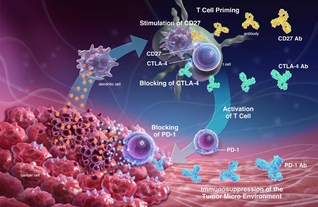
Checkpoint inhibitors are drugs that block the inhibitory signals of immune checkpoint molecules, such as programmed cell death protein 1 (PD-1) and cytotoxic T-lymphocyte-associated protein 4 (CTLA-4), to restore the function of T cells. Cancer vaccines stimulate the immune system to recognize and destroy cancer cells by presenting cancer-specific antigens. Adoptive cell therapy involves the infusion of immune cells, such as tumor-infiltrating lymphocytes (TILs) or chimeric antigen receptor (CAR) T cells, that are engineered to recognize and kill cancer cells. Oncolytic viruses are viruses that can selectively replicate in cancer cells and induce an immune response against cancer cells.
Tumor immunology is a rapidly evolving field, and ongoing research is focused on improving the efficacy and safety of immunotherapy for cancer treatment.
Tags
Tumor Immunology Conferences
Immunotoxicology Conferences
Autoimmunity Conferences
Immunotherapy Conferences
Inflammation Conferences
Transplantation Immunology Conferences
Immunology Conferences 2027 Europe
Vaccines and Immunotherapy Conferences
Viral immunology is the study of how the immune system responds to viral infections. It involves understanding the mechanisms by which viruses infect host cells, how the immune system recognizes and responds to viral infections, and how the immune response can protect the host from viral diseases.
When a virus infects a host, it can trigger a variety of immune responses, including the production of antibodies, activation of T cells, and the release of cytokines. The specific immune response depends on the type of virus, the route of infection, and the host's immune status.
The immune response to a viral infection involves several stages, including:
Recognition: The immune system recognizes viral components, such as viral proteins or nucleic acids, as foreign.
Activation: Immune cells, such as dendritic cells, macrophages, and B cells, are activated and begin to produce cytokines and chemokines.
Effector response: Cytotoxic T cells and B cells are activated and produce antibodies that can neutralize the virus.
Memory response: After the infection is cleared, memory T and B cells are generated that can provide long-term protection against future infections.
Research in viral immunology has led to the development of vaccines and antiviral therapies that can prevent or treat viral infections. For example, vaccines can stimulate the immune system to produce a protective immune response, while antiviral therapies can target viral components or processes to inhibit viral replication.
Tags
Immunology Conferences
Immunology Conferences 2027 USA
Advanced Immunology Conferences 2027
Immunotherapy Conferences
Immunology Conferences 2027 Asia
Immunology Conferences 2027
Neuroimmunology Conferences
Inflammation Conferences
Tumor Immunology Conferences
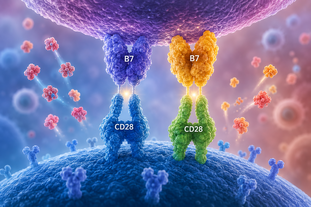
Antigens must be processed and given to immune cells in order to activate the essential features of adaptive immunity (specificity, memory, diversity, and self/nonself discrimination). MHC class I and class II molecules on the surface of antigen-presenting cells (APCs) and other cells regulate antigen presentation.
MHC class I and class II molecules work similarly: they deliver short peptides to the cell surface, where they are recognised by CD8+ (cytotoxic) and CD4+ (helper) T cells, respectively. The difference is that MHC class I peptides are endogenous, or intracellular, whereas MHC class II peptides are external, or extracellular. Exogenous antigens can also be presented by MHC class I molecules in a process known as cross-presentation. When endogenous antigens are degraded by autophagy, they can also be presented by MHC class II.
MHC class I presentation:
All nucleated cells express MHC class I molecules. MHC class I molecules are formed in the endoplasmic reticulum (ER) and are made up of two chains: a polymorphic heavy chain and a 2-microglobulin chain. Prior to interaction with the 2-microglobulin, the heavy chain is stabilised by the chaperone calnexin. These compounds are stabilised in the presence of peptides by chaperone proteins such as calreticulin, Erp57, protein disulfide isomerase (PDI), and tapasin. The peptide-loading complex is made up of TAP, tapasin, MHC class I, ERp57, and calreticulin (PLC).
Different proteasomes generate peptides for MHC class-I presentation: Most cells express the 26S proteasome; many immune cells express the immunoproteasome; and thymic epithelial cells express the thymic-specific proteasome.
Antigen presentation:
MHC class I molecules on the surface of a single cell offer a readout of the expression level of up to 10,000 proteins. This array is interpreted by cytotoxic T lymphocytes and natural killer cells, allowing them to monitor internal activities and identify infection and cancer.
As time passes, MHC class I complexes at the cell surface may dissolve, allowing the heavy chain to be internalised. When MHC class I molecules reach the endosome, they are transferred to the MHC class II presentation pathway. Some MHC class I molecules can be recycled and present endosomal peptides in a process known as cross-presentation.
MHC class I polymorphism:
HLA-A, HLA-B, and HLA-C genes encode human MHC class I molecules (HLA stands for 'Human Leukocyte Antigen,' which is the human analogue of MHC molecules present in most vertebrates). These genes are highly polymorphic, which means that each individual has a distinct collection of HLA alleles. Differential susceptibility to infection and autoimmune diseases may come from the vast diversity of peptides that may bind to MHC class I in different individuals, as a result of these polymorphisms. Furthermore, MHC class I polymorphisms make a perfect tissue match between donor and recipient very impossible and are hence responsible for transplant rejection.
MHC class II presentation:
MHC class II molecules are expressed by APCs such as dendritic cells (DC), macrophages, and B cells (as well as mesenchymal stromal cells, fibroblasts, and endothelial cells in response to IFN stimuli, as well as epithelial cells and enteric glial cells). MHC class II molecules bind to peptides produced from degraded proteins in the endocytic process. MHC class II complexes are made up of - and -chains that are assembled in the ER and are held together by an invariant chain. After that, the process of antigen presentation by MHC class II molecules follows the same pattern as MHC class I presentation.
MHC class II polymorphism:
Human MHC class II molecules, like the MHC class I heavy chain, are encoded by three polymorphic genes: HLA-DR, HLA-DQ, and HLA-DP. Different MHC class II alleles can be utilised as genetic markers for a variety of autoimmune diseases, possibly because of the peptides they include.
Tags
Vaccines and Immunotherapy Conferences
Immune System Conferences
Immunotoxicology Conferences
Autoimmunity Conferences
Tumor Immunology Conferences
Immunology Conferences 2027 USA
Immunology Conferences
Advanced Immunology Conferences 2027
Immunology Conferences 2027 Asia
Inflammation Conferences
Transplantation Immunology Conferences
Inflammation is the process by which your body's white blood cells and the chemicals they produce protect you from infection by outside invaders like bacteria and viruses. However, in some disorders, such as arthritis, your body's defence mechanism, or immune system, causes inflammation even when there are no invaders to fight. In autoimmune diseases, your immune system reacts as though normal tissues are infected or otherwise unusual, causing damage.
Inflammation types:
Inflammation can be either acute or chronic in nature (chronic). Acute inflammation resolves in a matter of hours or days. Chronic inflammation can last for months or years after the initial cause has passed. Chronic inflammation is associated to the following conditions:
Inflammation and arthritis:
Some types of arthritis are the result of inflammation, such as:
Other painful joint and musculoskeletal disorders that aren't caused by inflammation include osteoarthritis, fibromyalgia, muscular low back pain, and muscular neck pain.
What are the symptoms of inflammation?
Symptoms of inflammation include:
Often, you’ll have only a few of these symptoms.
Inflammation may also cause flu-like symptoms including:
What causes inflammation, and what are its effects?
When you have inflammation, substances from your white blood cells enter your blood or tissues to defend you against invaders. This increases blood flow to the site of damage or infection. It can produce flush and warmth. Some of the chemicals cause fluid leakage into your tissues, which causes swelling. This protective process may produce nerve stimulation and pain.
Higher numbers of white blood cells and the things they make inside your joints cause irritation, swelling of the joint lining, and loss of cartilage (cushions at the end of bones) over time.
How are inflammatory diseases diagnosed?
Your doctor will ask about your medical history and do a physical exam, focusing on:
Can inflammation affect internal organs?
Inflammation can affect your organs as part of an autoimmune disorder. The symptoms depend on which organs are affected. For example:
You might not have pain with an inflammatory disease, because many organs don’t have many pain-sensitive nerves.
Inflammation treatment:
Inflammatory diseases may be treated with drugs, rest, exercise, and surgery to correct joint damage. Your treatment plan will be determined by a number of factors, including the type of disease, your age, the medications you're taking, your overall health, and the severity of your symptoms.
The goals of treatment are to:
Medications:
Many drugs can ease pain, swelling and inflammation. They may also prevent or slow inflammatory disease. Doctors often prescribe more than one. The medications include:
Tags
Inflammation Conferences
Autoimmunity Conferences
Neuroimmunology Conferences
Vaccines and Immunotherapy Conferences
Transplantation Immunology Conferences
Immunology Conferences 2027 Asia
Immunology Conferences 2027 Europe
Immunology Conferences 2027 USA
Advanced Immunology Conferences 2027
Tumor Immunology Conferences
Translational immunology is the process by which researchers apply immunological discoveries and provide practical solutions to human problems. Vaccine development against infectious diseases is one example, as is the creation of novel types of medications to treat inflammatory conditions.
The series' goal is to enhance knowledge and provide updates on current topics in immunology; specifically, the series aims to translate study results and recent findings into clinical practice.
The series, written and edited by leading international scientists, is aimed primarily at graduate-level immunologists, clinicians, and students, as well as individuals working in academic, corporate, or non-profit settings. Its ethical goal is to encourage worldwide benefit sharing of immunological advancements through the publication of foundational, consensus-building content.
The translational immunology series seeks to provide comprehensive coverage of the Network of immunity in infection, malignancy, and autoimmunity (NIIMA), which is one of the primary fields of science without borders in the universal scientific education and research network (USERN). Autoimmunity, allergy, infection and immunity, inborn immunity errors, immunodeficiencies, AIDS, immunopharmacology, transplantation, cancer immunology, immunotherapy, neuroimmunology, vaccination are examples of possible Series Volume topics.
Tags
Tumor Immunology Conferences
Immune System Conferences
Immunology Conferences
Immunology Conferences 2027 USA
Immunology Conferences 2027 Asia
Immunology Conferences 2027
Neuroimmunology Conferences
Immunotherapy Conferences
Immunotoxicology Conferences
Advanced Immunology Conferences 2027
Cytokines
These are small cell-signalling protein molecules that are secreted by a variety of cells and are a type of signalling molecule that is widely used in intercellular communication.
Cytokines are either proteins, peptides, or glycoproteins. The term "cytokine" refers to a broad and diverse family of regulators produced throughout the body by embryologically diverse cells. The word has also been applied to immunomodulating agents like interleukins and interferons.
Biochemists disagree over which molecules are cytokines and which are hormones. Anatomic and structural distinctions between the two are diminishing as we understand more about each. Classic protein hormones circulate in nanomolar (10-9) concentrations that rarely differ by more than one order of magnitude. Some cytokines, on the other hand, circulate in picomolar (10-12) concentrations that can rise up to 1,000-fold with trauma or infection.
Cytokines may be differentiated from hormones by their widespread dispersion of cellular sources. Endo/epithelial cells and resident macrophages (many of which are located at the interface with the external environment) are powerful makers of IL-1, IL-6, and TNF-alpha. Classical hormones, like as insulin, are produced by distinct glands (e.g., the pancreas).
Chemokines
This is a group of small cytokines (proteins secreted by cells). Chemotactic cytokines get their name from their ability to induce directed chemotaxis in nearby responsive cells.
Cytokines can take the form of proteins, peptides, or glycoproteins. The term "cytokine" refers to a broad and diverse family of regulators produced by embryologically diverse cells throughout the body. Immunomodulatory agents such as interleukins and interferons have also been given this name.
There is disagreement among biochemists over which molecules are cytokines and which are hormones. The anatomic and structural differences between the two are merging as we learn more about each. Traditional protein hormones circulate at nanomolar (10-9) quantities that rarely change by more than one order of magnitude. Some cytokines, on the other hand, circulate in picomolar (10-12) concentrations that can rise 1,000-fold in response to trauma or infection.
Cytokines can be differentiated from hormones by their widespread reach of cellular sources. Endo/epithelial cells and resident macrophages (many of which are located at the interface with the external environment) are potent pro-inflammatory cytokines. Traditional hormones, like as insulin, are produced by distinct glands (e.g., the pancreas).
Key terms:
Key points:
Tags
Vaccines and Immunotherapy Conferences
Immunology Conferences 2027 USA
Tumor Immunology Conferences
Neuroimmunology Conferences
Advanced Immunology Conferences 2027
Immunology Conferences 2027
Transplantation Immunology Conferences
Immune System Conferences
Inflammation Conferences
Haematopoiesis is the fusion and development of blood cells that occurs during embryonic development and continues into maturity to generate and replenish the blood system. Cellular blood components are produced by hematopoietic stem cells, which are found largely in the bone marrow, a key site of adult haematopoiesis. The blood system includes more than ten different blood cell types with numerous functions.
Functions: Leukocytes represent many specialized cell types involved in innate and acquired immunity. Erythrocytes deliver O2 and CO2 transport, whereas megakaryocytes create platelets for blood clotting and wound healing.
Synthesis and development of blood cell:
Blood has been described as the "river of life," as it transports numerous substances to various parts of the body. Red blood cells are an important part of the blood. Their job is to carry oxygen to the body's tissues in exchange for carbon dioxide, which they take to the lungs to exhale. The red bone marrow of bones is where red blood cells are formed. Hemocytoblasts are stem cells found in red bone marrow.They are responsible for the formation of all of the components found in blood.
If a stem cell decides to grow into a proerythroblast, it will develop into a new red blood cell. A red blood cell takes roughly two days to develop. Every second, the body produces around two million red blood cells.Blood has both cellular and liquid components. When a blood sample is spun in a centrifuge, the formed elements and fluid matrix of blood can be separated. Blood is made up of around 45% red blood cells, fewer than 1% white blood cells and platelets, and 55% plasma.
Leukocytes and erythrocytes:
RBCs are red because of the presence of haemoglobin, an iron-rich protein that binds with oxygen to produce the colour. Because of its high concentration in the blood, RBC gives it a red colour. Red blood cells, also known as erythrocytes, are round, tiny, and biconcave in shape, but due to their flexibility, they seem bell-shaped while passing through narrow channels. They transport oxygen to the body's tissues. It is critical to have an iron and vitamin-rich diet in order to maintain a healthy RBC count in the body. Anemia is caused by a low RBC count, and frequent symptoms include irregular heartbeat, pale complexion, feeling chilly, weariness, and joint discomfort.
Red blood cells' major role is to carry oxygen from the lungs to tissue in various sections of the body via the blood circulation system. They also carry carbon dioxide back to the lungs, where it is expelled from the body. Because of its bi-concave form, the RBC aids in the exchange of oxygen at a constant rate and over a large surface.
Because they lack haemoglobin, white blood cells are colourless. White blood cells, also known as leukocytes, protect the body from infections by creating antibodies that strengthen the body's defence system against germs and viruses. The circulatory system utilized by these cells is another essential element that helps us distinguish between RBC and WBC. WBC circulates via the circulatory system and is also found in the lymphatic system. Only the cardiovascular circulatory system is used by red blood cells. These cells attack invading bacteria, viruses, and germs, assisting in the fight against infection.
Development B-cells and T-cells:
T and B lymphocytes (T and B Cells) are involved in the acquired or antigen-specific immune response because they are the only cells in the organism that can recognize and respond specifically to each antigenic epitope. B cells have the ability to transform into plasmacytes and are in charge of generating antibodies (Abs). Thus, humoral immunity is dependent on B cells, whereas cell immunity is dependent on T cells. The ontogeny processes for each kind of lymphocyte are covered, along with their basic features, the many subpopulations reported to date, the signalling pathways used for their activation, and their main functions based on the immunological profile that they present.
Tags
Immune System Conferences
Autoimmunity Conferences
Immunology Conferences 2027 USA
Advanced Immunology Conferences 2027
Immunology Conferences 2027 Europe
Inflammation Conferences
Tumor Immunology Conferences
Vaccines and Immunotherapy Conferences
Immunotoxicology Conferences
The immune system is crucial for maintaining health and protecting the human body against microbial invasion. This same mechanism, however, can cause exaggerated immunological and inflammatory responses, resulting in severe outcomes known as hypersensitivity reactions. Type I, Type II, Type III, and Type IV hypersensitivity reactions are the four traditional classifications for hypersensitivity reactions:
Sell et al. established a more recent taxonomy that accounts for different immune system components and divides the responses into seven parts. The focus of this study, however, will be on the classic type I hypersensitivity reactions.
Atopic disorders, which are exaggerated IgE-mediated immune responses (i.e., allergic: asthma, rhinitis, conjunctivitis, and dermatitis), and allergic diseases, which are immunological responses to foreign allergens, are examples of type I hypersensitivities (i.e., anaphylaxis, urticaria, angioedema, food, and drug allergies). The allergens that cause type I hypersensitivity might be mild (e.g., pollen, mites, foods, medications, etc.) or hazardous (e.g., insect venoms). The response may emerge in many parts of the body and result in events such as:
Certain risk factors increase the probability of allergic disorders. Geographical distribution, environmental risks such as pollution or socioeconomic status, genetic susceptibility, or the "hygiene hypothesis" are among these factors. According to the "cleanliness hypothesis," our contemporary society's habits of high hygiene and a lack of early exposure to numerous microorganisms or antigens may result in immune system deficiencies. As a result, the theory proposes that early exposure to a varied variety of microbes and antigens may result in lower overall incidence of allergies, asthma, and other immunological diseases.
When immune system proteins (antibodies) mistakenly identify a harmless substance, such as tree pollen, as an invader, an allergic reaction develops. Antibodies bind to antigens in an attempt to defend your body from the substance.Your immune system's chemicals produced allergy symptoms such as nasal congestion, runny nose, itchy eyes, and skin reactions. This similar response affects the lungs and airways in certain patients, resulting in asthma symptoms.
Are allergies and asthma treated differently?
Most treatments are designed to treat either asthma or allergic rhinitis. But a few treatments help with both conditions. Some examples:
Tags
Tumor Immunology Conferences
Immunology Conferences 2027 Asia
Immunology Conferences 2027 Europe
Inflammation Conferences
Immunotherapy Conferences
Autoimmunity Conferences
Transplantation Immunology Conferences
Immunology Conferences
Advanced Immunology Conferences 2027
Immunology education promotes immunology education, knowledge, and research globally; it is a immediate source of immunology information for healthcare professionals, students, and researchers. Immunology education offers resources for teaching and learning immunology, ranging from the basics through advanced immunology and highly specialised focus areas.
Online courses are available through a free registration login. Clinical case studies use real-world experiences of doctors to show diagnostic procedures and treatments, as well as explain illness immunological pathways. Immunology education is maintained up to date and informed with regularly updated news articles on research advances and interviews with top immunologists.
Resources
Tags
Immunotoxicology Conferences
Transplantation Immunology Conferences
Immunology Conferences 2027
Autoimmunity Conferences
Immunotherapy Conferences
Immunology Conferences 2027 USA
Advanced Immunology Conferences 2027
Inflammation Conferences
Neuroimmunology Conferences
Immunology Conferences 2027 Europe
The immune system is comprised of two types of responses: innate (non-specific) and adaptive (specific). Innate immunity is present by default and is activated immediately following infection.
Non-specific immunity is so named because the protective response is the same regardless of the source of the infection. The adaptive immune system, in contrast hand, is slower, responds more specifically, and creates immunological memory.
Inflammation is the primary component of innate immunity. In order to limit the spread of infection and promote wound healing, injured cells produce cytokines and other pro-inflammatory substances (such as bradykinin, histamine, leukotrienes, prostaglandins, and serotonin). These pro-inflammatory mediators dilate blood vessels and attract phagocytes.
Neutrophils subsequently enhance the immune response by attracting leukocytes and lymphocytes. The Complement cascade is activated, which improves the innate response. Opsonization is a significant consequence of complement cascade activation. Pathogenic antigen opsonization marks invasive bacteria for ingestion and destruction by phagocytes.
The innate response includes a variety of cell types, but it is particularly reliant on basophils and mast cells (inflammation) as well as neutrophils and macrophages (phagocytosis). The innate immune system also stimulates the adaptive immune response by antigen presentation, which is an essential role.
Key points:
The first line of protection against invading viruses is the innate immune response. They must also initiate certain adaptive immune responses. Innate immune responses rely on the body's ability to recognise pathogen conserved features that are not present in the uninfected host. Many types of molecules on microbial surfaces, as well as certain viruses' double-stranded RNA, fall within this category.
Toll-like receptor proteins, which are present in plants, invertebrates, and vertebrates, recognise many of these pathogen-specific compounds. Microbial surface molecules also activate complement, a group of blood proteins that work together to break microorganism membrane, target microorganisms for phagocytosis by macrophages and neutrophils, and create an inflammatory response in vertebrates.
Tags
Vaccines and Immunotherapy Conferences
Immune System Conferences
Immunotherapy Conferences
Immunology Conferences 2027 Europe
Transplantation Immunology Conferences
Advanced Immunology Conferences 2027
Immunology Conferences 2027 USA
Immunology Conferences
Tumor Immunology Conferences
Inflammation Conferences
Immunotherapy relates to both non-specific immune stimulation, such as BCG and cytokines, and immune modulators, such as check point inhibitor antibodies and drugs such as the thalidomide-derived IMiDs, such as revlimid/lenalidomide.
Vaccines are agents that induce an active response to a tumour antigen, such as MAGE or NY-ESO. As such, these vaccines are therapeutic cancer vaccines rather than prophylactic anti-viral vaccines that target HBV and HPV to reduce the incidence of liver and cervical cancer.
The other major vaccine development strategy has been to include it in more advanced disease when first line treatment has failed, that has resulted in the first approved vaccine, namely Sipuleucel-T, for advanced prostate cancer. A comprehensive review of cancer vaccine use indicates that they have often been used alone and/or in late-stage disease.
Over the last few years, it has become evident that tumours learn to defend themselves against even the most appropriate vaccine-induced immune response by establishing various shields, such as FAS-L, CD55, and CD95, as well as deploying immune suppressive factors, such as TGF- and IL-10, which can also recruit T-regulatory cells and promote the expansion of myeloid-derived suppressor cells.This strongly suggests that the antigen-induced immune response requires assistance, either in the form of enhanced immune response, which can be obtained by including cytokines such as Interleukin-2 (as well as IL-7, 12, 15, 21), or tumour activity must be greatly reduced by tumour cell kill, either with radiotherapy or chemotherapy, and that specific treatments to downregulate T-regulatory myeloid derived suppressor cells be considered.
It has been proved that Interleukin-2, even at low doses, can improve the effects of even non-specific vaccines, and that some drugs, such as cyclophosphamide, which can inhibit T-regulatory activity even at low doses, and gemcitabine, which is a strong inhibitor of myeloid-derived suppressor cells, can also enhance vaccine effectiveness.
Tags
Immunology Conferences 2027 USA
Vaccines and Immunotherapy Conferences
Inflammation Conferences
Immunology Conferences
Immunology Conferences 2027 Europe
Immunology Conferences 2027 Asia
Tumor Immunology Conferences
Transplantation Immunology Conferences
Autoimmunity Conferences
Advanced Immunology Conferences 2027
Neuroimmunology Conferences
Immunology research is changing and evolving as new tools and methodologies supplement and expedite traditional procedures. Researchers are increasingly turning to multiomic single cell and spatial characterization technology to delve deeper into the complex molecular and cellular networks and immune system responses, and translate discoveries into actionable insights for the treatment of infectious diseases, autoimmune disorders, and cancer.
There are 202 peer-reviewed articles in immunology and immuno-oncology that use 10x genomics products. This number is rising year after year. Immunity is our most popular scientific publication, with cell a close second. We are honoured to see an increasing number of clients publishing research in such high impact journals, and we are enthusiastic to see how multiomic single cell technology will speed crucial immunology and human health breakthroughs.
Researchers are using single cell and spatial technology to advance our knowledge of the heterogeneity and developmental progression of immune cells in a wide range of tissues and biological systems, whether they are investigating macrophage infiltration in tiny murine synovial joints or deconstructing the immune landscape of human kidney tissue distressed by lupus nephritis.They are revealing the cellular and molecular mechanisms underlying the adaptive and innate immune response, enabling various and novel applications, thanks to their capacity to completely characterise immune cells.
Single cell and spatial solutions for immunology research:
Information about the immune system are researchers gaining from 10x genomics solutions, with the combined power of single cell and spatial technology, researchers can:
Researchers continue to develop innovative applications of these tools and drive discovery in critical areas of immunology research, including:
Tags
Immunology Conferences 2027 USA
Advanced Immunology Conferences 2027
Immunotherapy Conferences
Vaccines and Immunotherapy Conferences
Transplantation Immunology Conferences
Neuroimmunology Conferences
Immunotoxicology Conferences
Autoimmunity Conferences
Immunology Conferences 2027
Immunology Conferences 2027 Asia
Immunology Conferences 2027 Europe
Immune System Conferences
Microbial immunology is the study of the molecular mechanisms used by microorganisms to cause disease in humans and animals. Bacterial, protozoan, parasitic, and viral pathogens have developed a wide range of tools to proliferate in the host and obtain nutrients, causing resistance and disease.
Microbiologists and immunologists use all of the tools of modern sub-nuclear science inherited characteristics, destructive nature components, sedate collaborative efforts, natural science, and biophysics to understand the beautiful forms cast-off by infectious diseases. Knowing how microorganisms cause disease is usually the first step in the development of novel antibodies and therapies, and its expansion includes all aspects of the interrelationship between powerful authorities and their hosts.
It is widely known that host defence mechanisms impact the presentation and severity of fungal infections, therefore clinical presentations of the disease are dependent on a patient's immunological response. For example, the immune system of humans influences whether type of illness develops after exposure to the widespread fungus aspergillus fumigatus or if candida albicans transitions from commensalism to infection. The host's defence systems against fungus are varied, ranging from primitive protective mechanisms present early in the development of complex organisms ('innate immunity') to complex adaptive mechanisms induced specifically during infection and disease ('adaptive immunity').
Infectious diseases harm over 14 million of people each year. Pathogens that cause these diseases include external bacteria, intracellular bacteria, viruses, parasites, fungus, and prions. Bacteria are single-celled, tiny prokaryotic creatures. Intracellular bacteria must penetrate host cells to multiply, whereas extracellular bacteria do not. Viruses are acellular, sub microscopic particles with a protein coat around an RNA or DNA genome.
Infectious myositis can be caused by a wide range of bacteria, fungi, parasites, and viruses. Because the musculature is relatively resistant to infection, infectious myositis is infrequent. In situations of bacterial myositis, for example, triggering events such as trauma, surgery, or the presence of foreign bodies or devitalized tissue are frequently present. Bacterial causes of myositis are classified as pyomyositis, psoas abscess, staphylococcus aureus myositis, group A streptococcal necrotizing myositis, group B streptococcal myositis, clostridial gas gangrene, and non-clostridial myositis.
Tags
Immunology Conferences 2027 Asia
Autoimmunity Conferences
Transplantation Immunology Conferences
Inflammation Conferences
Immunology Conferences 2027 Europe
Immunology Conferences 2027 USA
Immune System Conferences
Vaccines and Immunotherapy Conferences
Immunology Conferences 2027
Euro-Global Summit on Innovations in Clinical and Cellular Immunology: Pioneering Progress through Collaboration and Innovation:
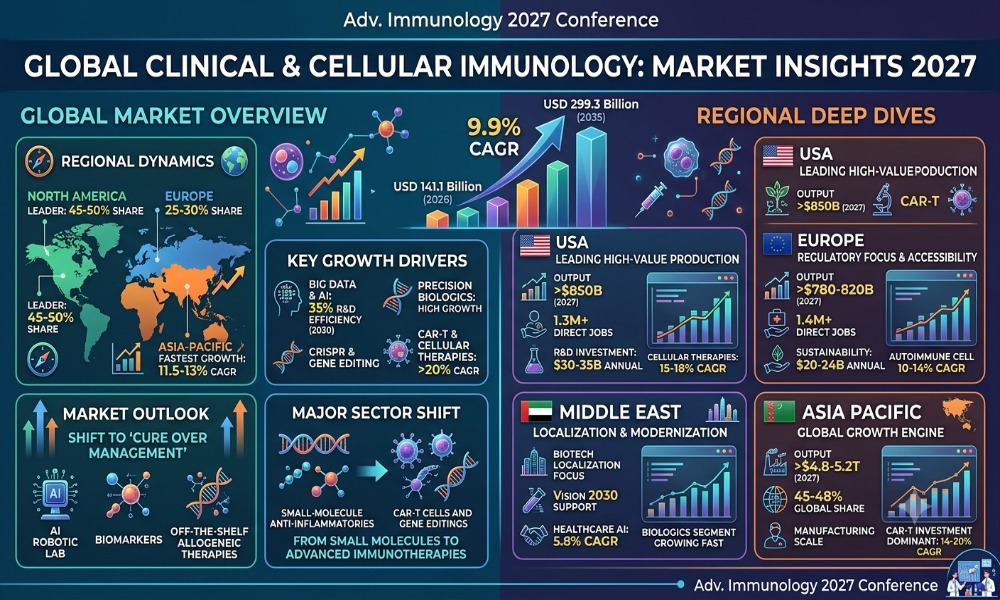
Clinical & Cellular Immunology: Global Market Insights
The global immunology sector is undergoing a profound shift in 2027, transitioning from broad-spectrum immunosuppression to highly targeted, cell-based, and personalized immunotherapies. The market is projected to grow from an estimated USD 141.1 billion in 2026 to around USD 299.3 billion by 2035, registering a robust CAGR of 9.9% over the forecast period.
Regional Dynamics
North America continues to hold the largest market share (approx. 45–50%), driven by high adoption of novel biologics and an established ecosystem for CAR-T cell therapies. Europe follows with a 25–30% share, focusing intensely on regulatory-approved, cost-effective biosimilars and cell therapy manufacturing. Asia-Pacific is emerging as the fastest-growing hub, boasting a CAGR of 11.5–13%, fueled by rapidly expanding biotech investments in China, India, and South Korea, aiming to localize production of next-generation treatments.
Key Growth Drivers
The integration of Big Data, AI, and Machine Learning is revolutionary, expected to improve patient stratification for clinical trials and deliver a 35% improvement in diagnostic and therapeutic R&D efficiency by 2030. High-growth segments are led by Cellular Immunotherapies (specifically CAR-T and TCR-T), growing at a CAGR of over 20%, and Precision Biologics (including bispecific antibodies). Simultaneously, advancements in gene editing (e.g., CRISPR) are driving the market toward curative rather than palliative care.
Market Outlook
The clinical and cellular immunology market is increasingly defined by a "cure over management" approach. Companies and research institutions investing in AI-driven biomarker discovery, off-the-shelf allogeneic cell therapies, and early-stage cancer interception are outperforming traditional players focused solely on small-molecule anti-inflammatories.
Market Value of Immunology in USA:
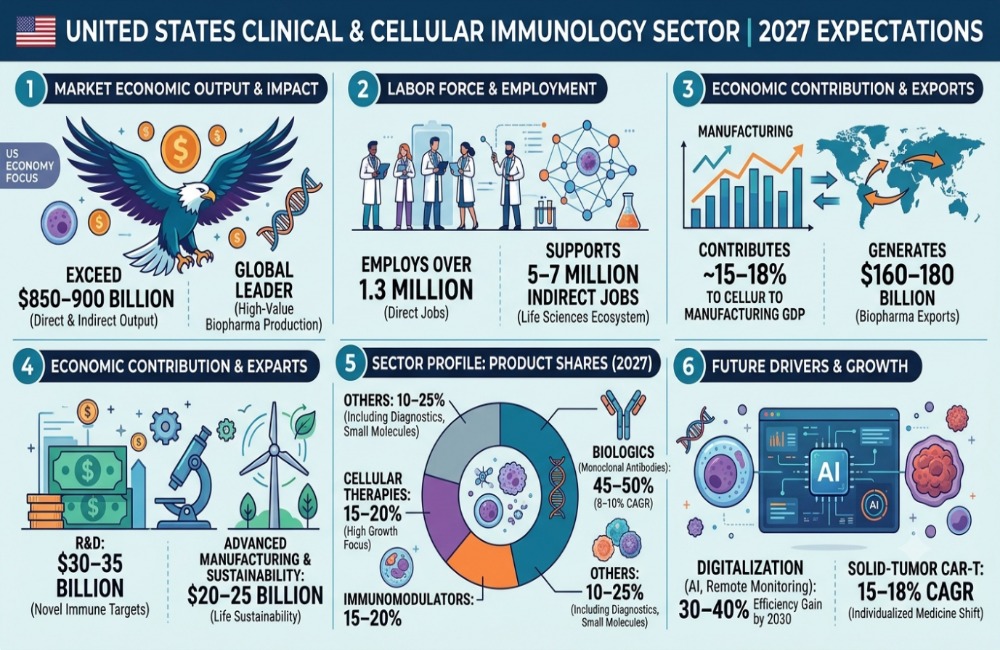
The United States clinical and cellular immunology sector in 2027 is expected to exceed $850–900 billion in direct and indirect output, ranking as a global leader in high-value biopharmaceutical production. It employs over 1.3 million people and supports an additional 5–7 million indirect jobs within the broader life sciences ecosystem, contributing around 15–18% to the manufacturing GDP and generating $160–180 billion in biopharmaceutical exports.
Annual investments include $30–35 billion in R&D specifically for novel immune targets and $20–25 billion in advanced manufacturing and sustainability initiatives. The sector is a high-value user, accounting for approximately 18–22% of advanced biomedical energy utilization.
Biologics (primarily monoclonal antibodies) lead with a 45–50% share and 8–10% CAGR, followed by Cellular Therapies (15–20%) and Immunomodulators (15–20%). Digitalization, including AI-driven diagnostics and remote patient monitoring, is expected to improve healthcare efficiency by 30–40% by 2030, while high-growth segments like solid-tumor CAR-T are expanding at a 15–18% CAGR, driving the shift toward individualized medicine.
Market Value of Immunology in Europe:
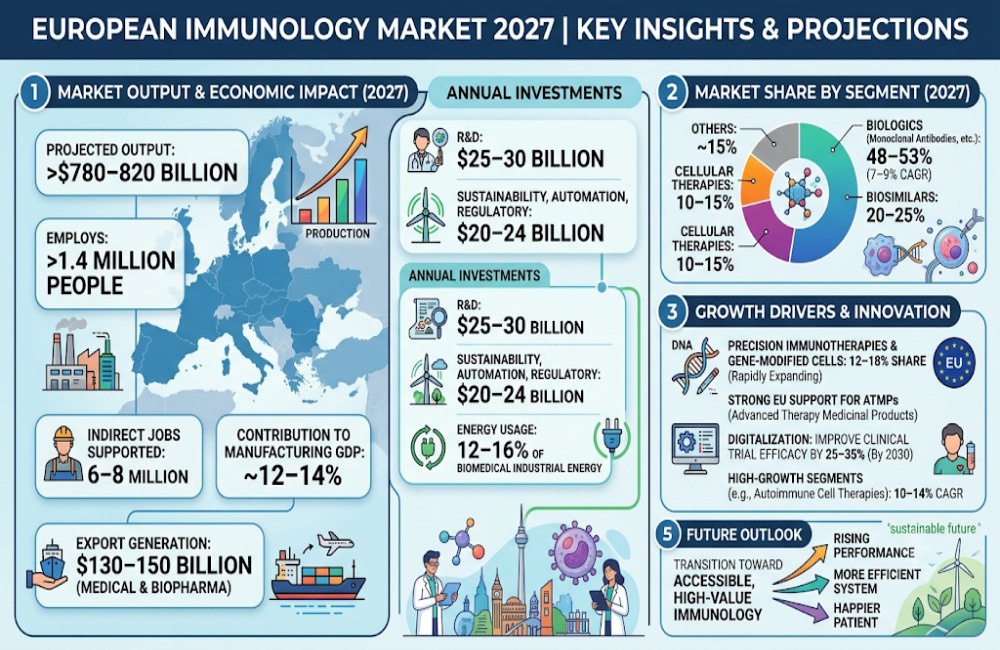
The European immunology market in 2027 is projected to exceed $780–820 billion in output, supported by a strong foundation in academic research and clinical application. It employs over 1.4 million people and supports 6–8 million indirect jobs, contributing around 12–14% to the region's manufacturing GDP and generating $130–150 billion in medical and biopharmaceutical exports.
Annual investments include $25–30 billion in R&D and $20–24 billion in sustainability, manufacturing automation, and regulatory harmonisation, with the sector accounting for 12–16% of biomedical industrial energy consumption.
Biologics dominate with a 48–53% market share and 7–9% CAGR, followed by Biosimilars (20–25%), and Cellular Therapies (10–15%). Precision immunotherapies and gene-modified cells account for 12–18% and are expanding rapidly due to strict EU support for ATMPs (Advanced Therapy Medicinal Products). Digitalization is expected to improve clinical trial efficacy by 25–35% by 2030, while high-growth segments like autoimmune disease cell therapies are growing at 10–14% CAGR, driving Europe's transition toward accessible, high-value immunology.
In conclusion, the market value of immunology in Europe is substantial and is expected to continue its growth trajectory in the coming years.
Market Value of Immunology in Asia:
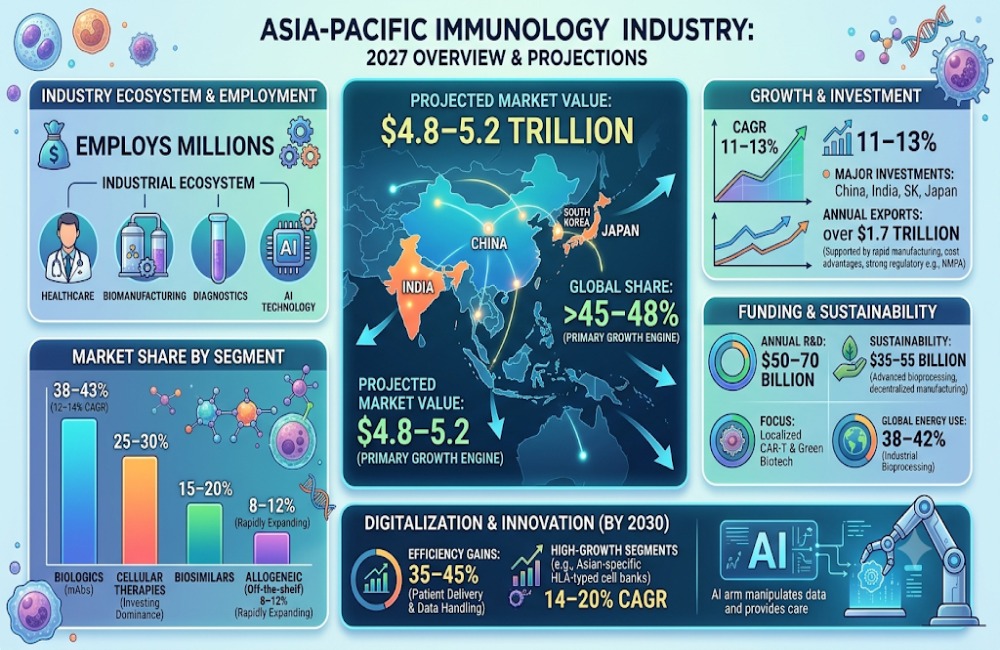
The Asia-Pacific immunology industry in 2027 is projected to exceed $4.8–5.2 trillion, accounting for over 45–48% of the global market, making it the primary engine for global capacity expansion and patient access. The sector employs millions and supports a vast industrial ecosystem across healthcare, biomanufacturing, diagnostics, and AI-driven technology.
The region is growing at a CAGR of 11–13%, led by major investments in China, India, South Korea, and Japan. Exports are surging, contributing over $1.7 trillion annually, supported by rapid manufacturing scaling, cost advantages, and strong regulatory frameworks (e.g., China's NMPA).
Annual investments include $50–70 billion in R&D and $35–55 billion in sustainability, advanced bioprocessing, and decentralized manufacturing, with increasing focus on localized CAR-T and green biotechnology. The industry accounts for approximately 38–42% of global industrial bioprocessing energy consumption.
Biologics (primarily monoclonal antibodies) hold 38–43% share with 12–14% CAGR, while Cellular Therapies (25–30%) are dominating investment. Biosimilars contribute 15–20%. Allogeneic (off-the-shelf) cell products account for 8–12% and are rapidly expanding. Digitalization is expected to drive 35–45% efficiency gains in patient delivery and data handling by 2030, while high-growth segments like Asian-specific HLA-typed cell banks are expanding at a 14–20% CAGR, positioning Asia-Pacific as the global growth engine.
In summary, the market value of immunology in Asia is significant and is expected to continue expanding in the coming years.
Market Value of Immunology in Middle East:

The Middle East immunology industry in 2027 is strongly driven by strategic healthcare modernization plans and a growing focus on biotech localization, positioning the region as an emerging player in clinical care and biomedical distribution. The region's pharmaceutical and biotech market was valued at around $18.2 billion in 2024 and is projected to reach nearly $31.5 billion by 2033, growing at a 7.2% CAGR.
The industry is becoming a major technological pillar, supported by large-scale biomedical hubs in Saudi Arabia (Vision 2030), UAE, and Qatar. It generates hundreds of thousands of jobs and plays a critical role in increasing specialized care access and healthcare diversification. Distribution of advanced therapies alone was valued at about $3.5 billion in 2024, expected to reach $4.8 billion by 2033.
Investment is focused on translational research, cell therapy manufacturing localization, and digital health, with increasing adoption of AI in diagnostics, projected to grow from $395 million in 2024 to $610 million by 2033 (5.8% CAGR).
Biologics represent the dominant growing segment, valued at $39.1 billion in 2024 and expected to reach $55.3 billion by 2033, driven by increasing insurance coverage and non-communicable disease prevalence. Overall, the Middle East is shifting from imported bulk pharmaceuticals to high-value localization, private-public partnerships, and integrated specialized clinics, strengthening its regional competitiveness.
Immunology Societies in USA:
American Association of Immunologists / American Academy of Allergy, Asthma, and Immunology / Clinical Immunology Society / American College of Allergy, Asthma & Immunology / American Society of Transplantation / American Society for Histocompatibility and Immunogenetics / Society for Immunotherapy of Cancer / International Society for Interferon and Cytokine Research / International Cytokine and Interferon Society / International Society for Cellular Therapy / International Society for Clinical Laboratory Technology / International Society for Extracellular Vesicles / Society for Leukocyte Biology / International Society of Neuroimmunology / International Society for Biological and Environmental Repositories / International Society for Antiviral Research / International Society for Influenza and Other Respiratory Virus Diseases / International Society for Computational Biology / Society for Mucosal Immunology / American Society for Investigative Pathology / American Association of Pharmaceutical Scientists Immunology Focus Group / Society for Natural Immunity / Clinical Immunology Society / Diagnostic Immunology Focus Group / Society for Immunology and Cancer Immunotherapy / The Association of Medical Laboratory Immunologists (AMLI)
Immunology Societies in Europe:
European Federation of Immunological Societies (EFIS) / British Society for Immunology (BSI) / German Society for Immunology (DGfI) / Italian Society of Immunology, Clinical Immunology and Allergology (SIICA) / French Society of Immunology (SFI) / Spanish Society for Immunology (SEI) / Dutch Society for Immunology (NVVI) / Swiss Society for Allergology and Immunology (SSAI) / Turkish Society of Immunology (TSI) / Belgian Immunological Society (BIS) / Irish Society for Immunology (ISI) / Croatian Immunological Society (HID) / Swedish Society for Immunology (SSI) / Norwegian Society for Immunology (NSI) / Danish Society for Immunology (DSI) / Finnish Society for Immunology (FSI) / Polish Society for Immunology (PTI) / Portuguese Society for Immunology (SPI) / Czech Society for Immunology (CSI) / Austrian Society for Allergology and Immunology (ÖGAI) / Hungarian Society for Immunology (MIT) / Estonian Society for Immunology and Allergology (ESIA) / Latvian Immunologists' Association (LIA) / Lithuanian Society for Immunology (LSI) / Ukrainian Society for Immunology and Allergy (USIA)
Immunology Societies in Asia:
Japanese Society for Immunology (JSI) / Korean Association of Immunologists (KAI) / Indian Immunology Society (IIS) / Chinese Society for Immunology (CSI) / Iranian Society for Immunology and Allergy (ISIA) / Israeli Association of Allergy and Clinical Immunology (IAACI) / Singaporean Society for Immunology (SSI) / Hong Kong Society for Immunology (HKSI) / Taiwan Society of Immunology (TSI) / Allergy and Immunology Society of Thailand (AIST) / Philippine Society for Immunology (PSI) / Malaysian Society for Immunology (MSI) / Indonesian Society for Immunology (ISI) / Bangladesh Association of Immunologists (BAI) / Sri Lankan Society for Immunology and Allergy (SLSIA) / Nepal Society for Immunology and Immunopathology (NSII) / Pakistan Society for Immunology (PSI) / Iraqi Society of Immunologists (ISI) / Syrian Society for Immunology (SSI) / Jordanian Society for Immunology (JSI) / Kuwait Society for Immunology (KSI) / Saudi Society for Immunology (SSI) / United Arab Emirates Immunology Group (UAEIG) / Qatar Immunology Group (QIG) / Omani Society for Immunology (OSI)
Immunology Societies in Middle East:
Iranian Society for Immunology and Allergy (ISIA) / Israeli Association of Allergy and Clinical Immunology (IAACI) / Iraqi Society of Immunologists (ISI) / Syrian Society for Immunology (SSI) / Jordanian Society for Immunology (JSI) / Kuwait Society for Immunology (KSI) / Saudi Society for Immunology (SSI) / United Arab Emirates Immunology Group (UAEIG) / Qatar Immunology Group (QIG) / Omani Society for Immunology (OSI) / Bahrain Society for Immunology and Allergy (BSIA) / Lebanese Society of Allergy and Immunology (LSAI) / Yemeni Society of Immunology (YSI) / Libyan Society for Immunology and Allergy (LSIA) / Tunisian Society of Immunology (TSI) / Algerian Society of Immunology (ASI) / Moroccan Society of Immunology (MSI) / Egyptian Society of Immunology (ESI) / Palestinian Society for Immunology and Allergy (PSIA) / Sudanese Society of Immunology (SSI) / Mauritanian Society for Immunology (MSI) / Djibouti Society of Immunology (DSI) / Somalian Society for Immunology (SSI) / Comorian Society of Immunology (CSI) / Gulf Immunology Society (GIS)
List of Global Immunology Universities:
Harvard University / Stanford University / Massachusetts Institute of Technology / University of California-Berkeley / University of California-Los Angeles / California Institute of Technology / University of Chicago / Yale University / Princeton University / University of Pennsylvania / Columbia University / Duke University / University of Michigan-Ann Arbor / Johns Hopkins University / University of Wisconsin-Madison / University of Texas-Austin / University of Washington / Cornell University / Northwestern University / University of California-San Diego / University of California-San Francisco / University of North Carolina-Chapel Hill / University of Colorado-Boulder / University of Minnesota-Twin Cities / University of Illinois-Urbana-Champaign / University of Virginia / University of Pittsburgh / Washington University in St. Louis / University of California-Irvine / University of Maryland-College Park / University of Southern California / Emory University / University of Arizona / University of Iowa / University of Utah / University of Rochester / University of Massachusetts-Amherst / University of Cincinnati / University of Alabama-Birmingham / University of Kansas / University of Oregon / University of Oklahoma / University of South Carolina / University of Nebraska-Lincoln / University of New Mexico / University of Kentucky / Ulane University / University of Delaware / University of Missouri-Columbia / University of Georgia / University of California-Davis / Indiana University-Bloomington / University of Tennessee-Knoxville / Ohio State University / University of Colorado-Colorado Springs / University of South Florida / University of Arkansas / University of Nevada-Las Vegas / University of Houston / Wayne State University / University of North Dakota / University of Nevada-Reno / University of Toledo / Exas Tech University / University of Maine / University of Wyoming / University of Central Florida / University of Rhode Island / University of Louisiana-Lafayette / University of Mississippi / Baylor University / University of Wisconsin-Eau Claire / Louisiana State University / Appalachian State University / University of North Texas / Virginia Commonwealth University / University of Montana / Florida State University / University of Akron / University of North Florida / University of Alaska-Fairbanks / University of Northern Iowa / Kansas State University / Western Carolina University / University of Wisconsin-Green Bay / University of Wisconsin-La Crosse / Eastern Kentucky University / University of West Florida / University of North Carolina-Charlotte / University of West Georgia / University of South Alabama / University of Wisconsin-Oshkosh / University of Maine-Farmington / University of Wisconsin-Stout / Western Kentucky University / University of Wisconsin-Whitewater / University of Southern Mississippi / University of Arkansas-Little Rock / Appalachian State University / Eastern Michigan University / University of Southern Indiana / East Tennessee State University / University of Wisconsin-Parkside / University of North Carolina-Wilmington / University of Wisconsin-Superior
List Global Immunology Companies:
AbbVie / Amgen / Bristol-Myers Squibb / Roche / Pfizer / Johnson & Johnson / Novartis / Merck & Co / Sanofi / GlaxoSmithKline / Eli Lilly and Company / AstraZeneca / Takeda Pharmaceutical Company Limited / Biogen / Regeneron Pharmaceuticals / Genentech / Alexion Pharmaceuticals / Celgene / BioNTech SE / Moderna / Vertex Pharmaceuticals / CSL Limited / Seattle Genetics / Immunomedics / Sarepta Therapeutics / Dynavax / Technologies Corporation / Adaptimmune Therapeutics / Kite Pharma / Spark Therapeutics / Alnylam Pharmaceuticals / Fate Therapeutics / Apellis Pharmaceuticals / EMD Serono / Bavarian Nordic / Neurocrine Biosciences / MacroGenics / Genmab / Acorda Therapeutics / Sangamo Therapeutics / Atara Biotherapeutics / uniQure / Inovio Pharmaceuticals / Tmunity Therapeutics / IGM Biosciences / Alkermes / PTC Therapeutics / Exelixis / AnaptysBio / Aurinia Pharmaceuticals / Mirati Therapeutics / CytomX Therapeutics / Argenx / Portola Pharmaceuticals / Coherus BioSciences / Theravance Biopharma / Turning Point Therapeutics / Nektar Therapeutics / TG Therapeutics / Miragen Therapeutics / Arrowhead Pharmaceuticals / MyoKardia / Kodiak Sciences / Epizyme / Acceleron Pharma / CRISPR Therapeutics / BioMarin Pharmaceutical / BeiGene / uniQure / Orchard Therapeutics / Akcea Therapeutics / Aimmune Therapeutics / Prothena Biosciences / Aprea Therapeutics / Zymeworks / TCR² Therapeutics / Principia Biopharma / Replimune / Fate Therapeutics / Ocular Therapeutix / Scholar Rock / Karyopharm Therapeutics / Translate Bio / Iovance Biotherapeutics / Trillium Therapeutics / Rubius Therapeutics / Adaptimmune Therapeutics / Inmune Bio / Xencor / X4 Pharmaceuticals / Gritstone Oncology / Surface Oncology / Gossamer Bio / Odonate Therapeutics / Adicet Bio / Orchard Therapeutics / Bellerophon Therapeutics / SpringWorks Therapeutics / Jounce Therapeutics / Aligos Therapeutics / Zentalis Pharmaceuticals
50 Techniques Commonly Used in Immunology Research:
ELISA (Enzyme-Linked Immunosorbent Assay) / Flow cytometry / Western blotting / Immunohistochemistry / Immunofluorescence microscopy / Immunoprecipitation / Tissue culture / Cell sorting / Polymerase chain reaction(PCR) / Microarray analysis / Mass cytometry / RNA sequencing (RNA-seq) / Chromatin immunoprecipitation (ChIP) / In vivo imaging / Immunoelectrophoresis / Transgenic animal models / Knockout animal models / In vitro assays / Cytokine assays / Proteomics / Epigenetic analysis / Retroviral transduction / Lentiviral transduction / CRISPR/Cas9 gene editing / RNA interference (RNAi) / Histology / Animal imaging / Gene expression analysis / High-throughput screening / Surface plasmon resonance (SPR) / X-ray crystallography / Nuclear magnetic resonance (NMR) spectroscopy / Dynamic light scattering (DLS) / Electron microscopy / Immunomagnetic separation / Protein purification / Bacterial and viral challenge assays / Pathogen detection assays / Multiplex assays / Single-cell sequencing / Antibody production and purification / In situ hybridization / Lipidomics / Glycomics / In silico modeling / Imaging mass spectrometry / Metabolomics / Microscopy-based assays / Protease assays / Multiphoton microscopy
Contact us now and we will make your event unique & unforgettable
All numbers indicates percentage %
Europe
North America
Middle East
Asia Pacific
Africa
All numbers indicates percentage %
Immunologists
Pathologists & Epidemiologists
Virologists & Microbiologists
Pharmacologists
Residents, Fellows & Post Docs
Faculty, Research Labs & Research Institutes
Physicians, Health Care Professionals & Nurses
Hospitals